Carpet Flooring
The Complete Guide to Choosing Carpet Flooring
Carpet flooring is one of the most widely used flooring options in homes and commercial spaces because it provides comfort, warmth, and sound control that hard surface floors cannot match. Made from textile fibres, carpet creates a cushioned surface that feels comfortable underfoot while helping reduce noise and improve insulation. Unlike hardwood, vinyl, laminate, or tile, carpet flooring absorbs sound and offers a warmer feel, making it a popular choice for bedrooms, living rooms, apartments, and multi-level homes.
Explore the sections below to learn how carpet flooring works, where it performs best, and how to choose the right carpet for your home.
Carpet Flooring Guide: Pros, Cons, Types & Costs for Your Home
In the United States, carpet flooring still accounts for nearly half of all residential floor coverings. Industry data show that carpeted floors can reduce impact noise by up to 30 percent while improving thermal insulation, helping keep rooms warmer in colder months.
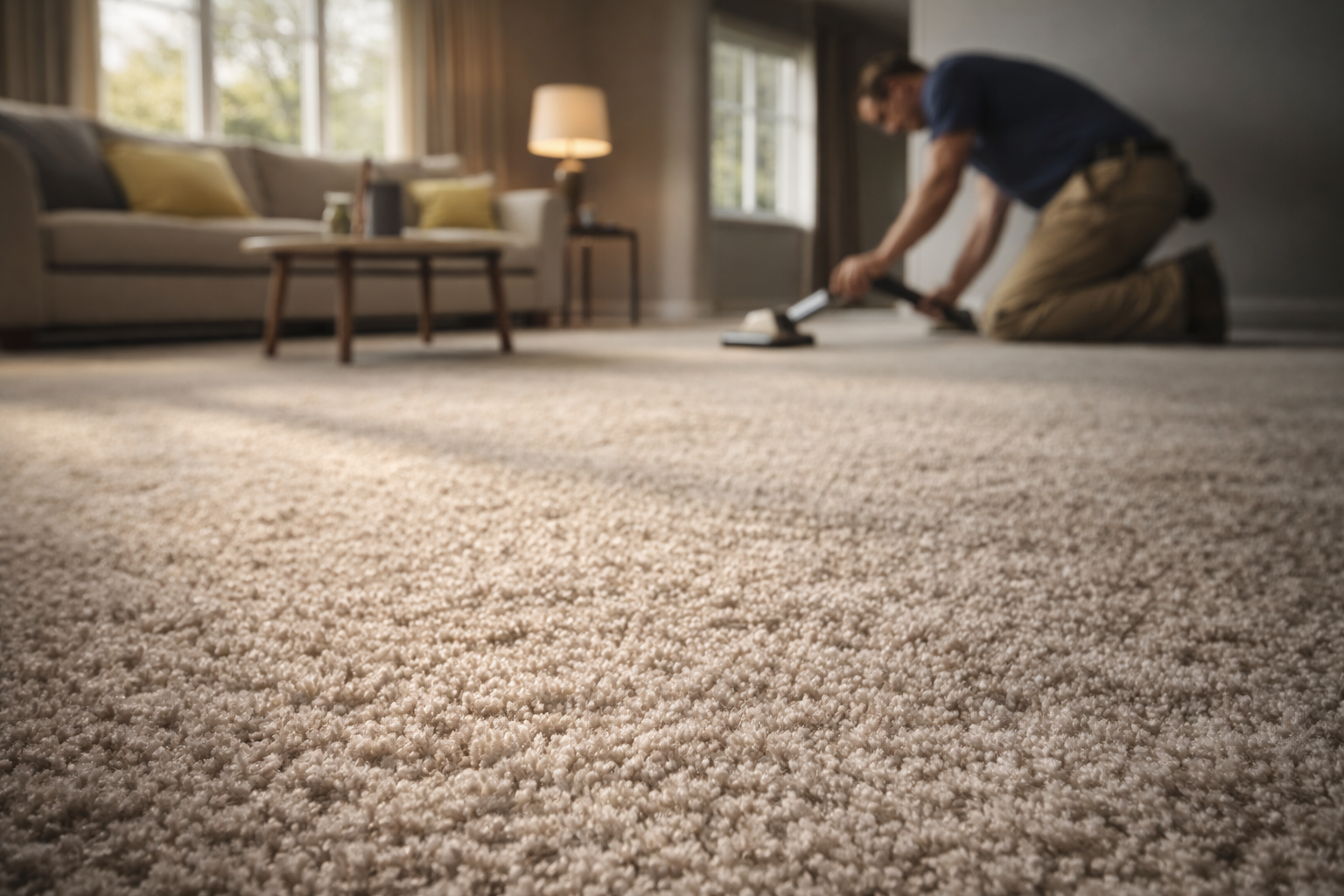

Types of Carpet Explained: Nylon vs Polyester and Wool Compared
Carpet remains one of the most popular carpet flooring options for homes in the U.S. and is still one of the most common carpet choices recommended by any flooring retailer.
Read More
Low-Pile vs High-Pile Carpet: Differences, Pros & Cons, and How to Choose the Right Carpet for Your Home Floor
According to flooring industry data, carpet pile height plays a major role in durability, comfort, and long-term maintenance.
Read More
Carpet Pile Types Explained: Cut Pile vs Loop Pile Carpet for Every Floor
Choosing the right carpet for your floor is not just about color or price. According to flooring industry data, carpet performance and lifespan are influenced more by carpet pile, pile type, and fiber construction than by appearance alone.
Read MoreCarpet Padding
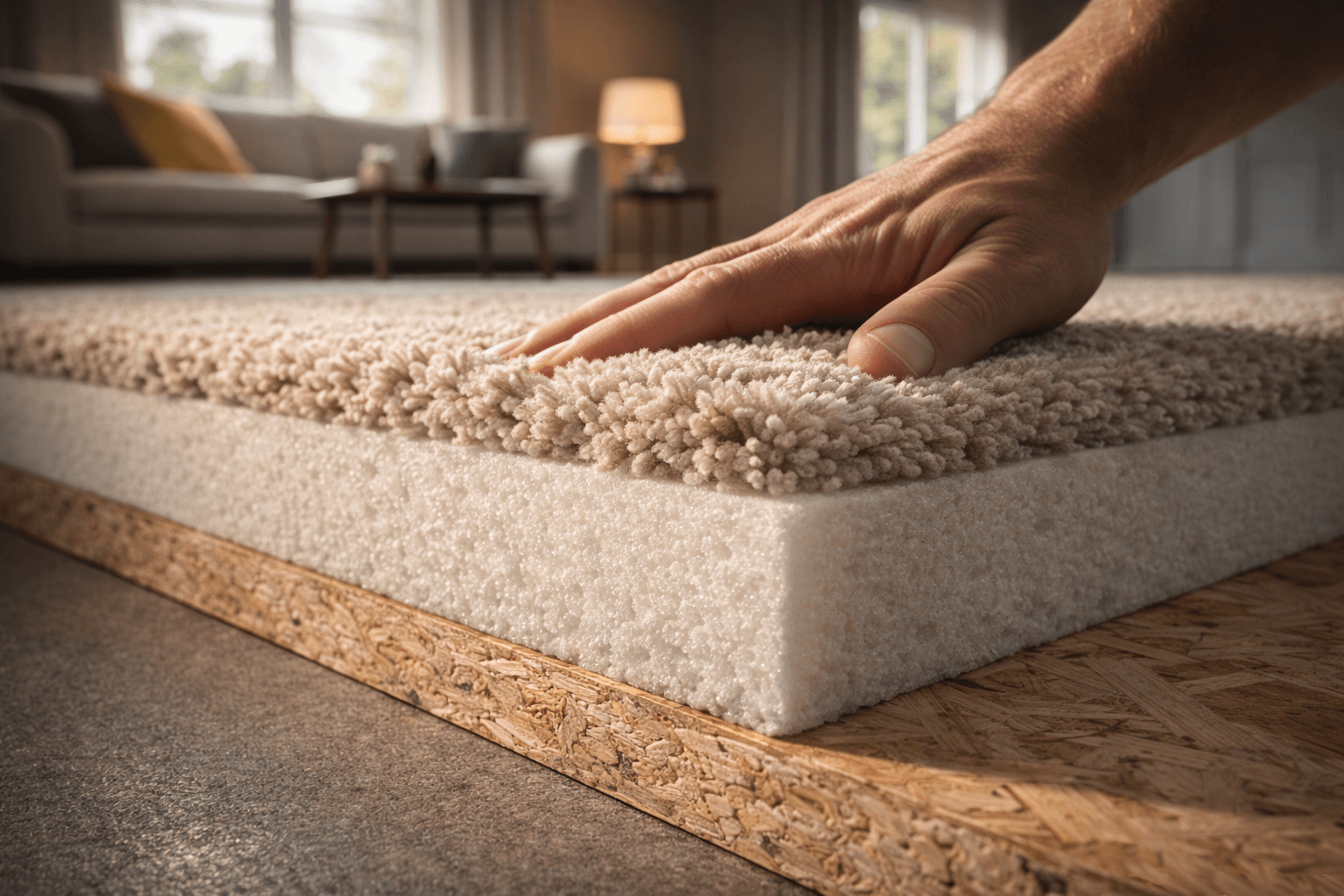
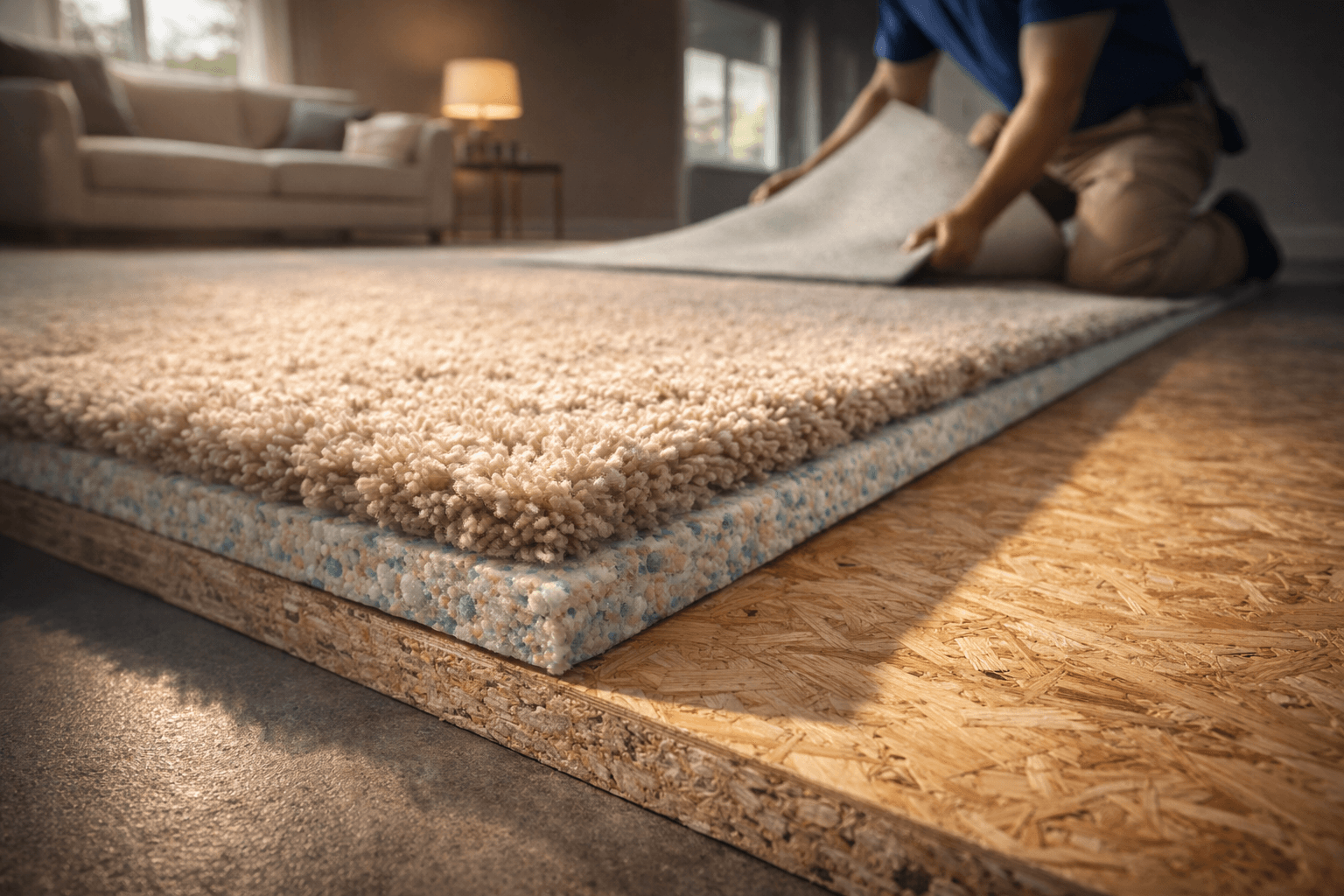
Carpet padding plays a critical role in comfort, durability, and sound absorption. The right carpet underlay supports the carpet, reduces wear, improves insulation, and enhances overall performance, making it an essential factor when installing or replacing carpet flooring.
Carpet Padding: Thickness, Density, and Performance
Choosing the right carpet pad has a bigger impact than most homeowners realize. Industry data shows that up to 50 percent of the life of your carpet depends on the carpet pad underneath it, not just the carpet itself.
Soundproof Carpet Underlay and Sound Insulation: How Carpet Reduces Noise and Improves Acoustic Comfort on Any Floor
Studies in building acoustics show that adding carpet underlay, also known as carpet underlayment, can reduce impact noise on a floor by up to 25 to 40 percent, depending on thickness and material.
Read More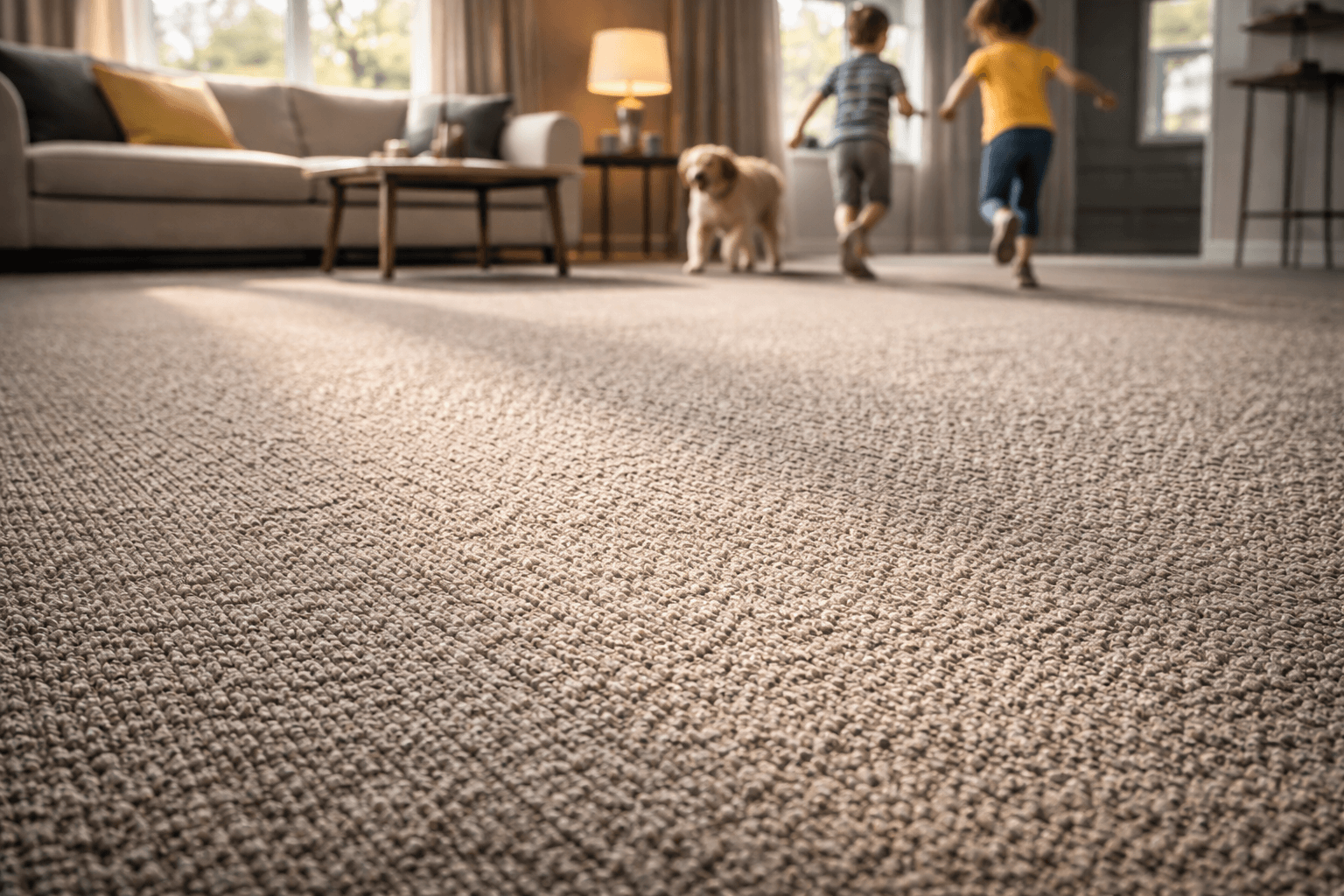
Best Carpet for High-Traffic Areas in Your Home: How to Choose the Right Carpet for Constant Foot Traffic
Choosing the best carpet for high-traffic areas is one of the most important flooring decisions homeowners make.
Read More
Carpet Lifespan and Durability Factors: How Long Carpet Really Lasts (Complete Guide)
According to the Carpet and Rug Institute, most residential carpet products are designed to last between 5 and 15 years, depending on fiber type, installation quality, and maintenance habits.
Read MoreCarpet Installation
A successful carpet installation requires careful planning, correct installation techniques, and attention to subfloor condition. This section explains installation methods, carpet removal and replacement processes, and how to transition from old flooring to new carpet smoothly. We also explore safety and slip resistance considerations, especially in high-traffic areas and family homes. Understanding these elements helps you make informed decisions before starting your flooring project.
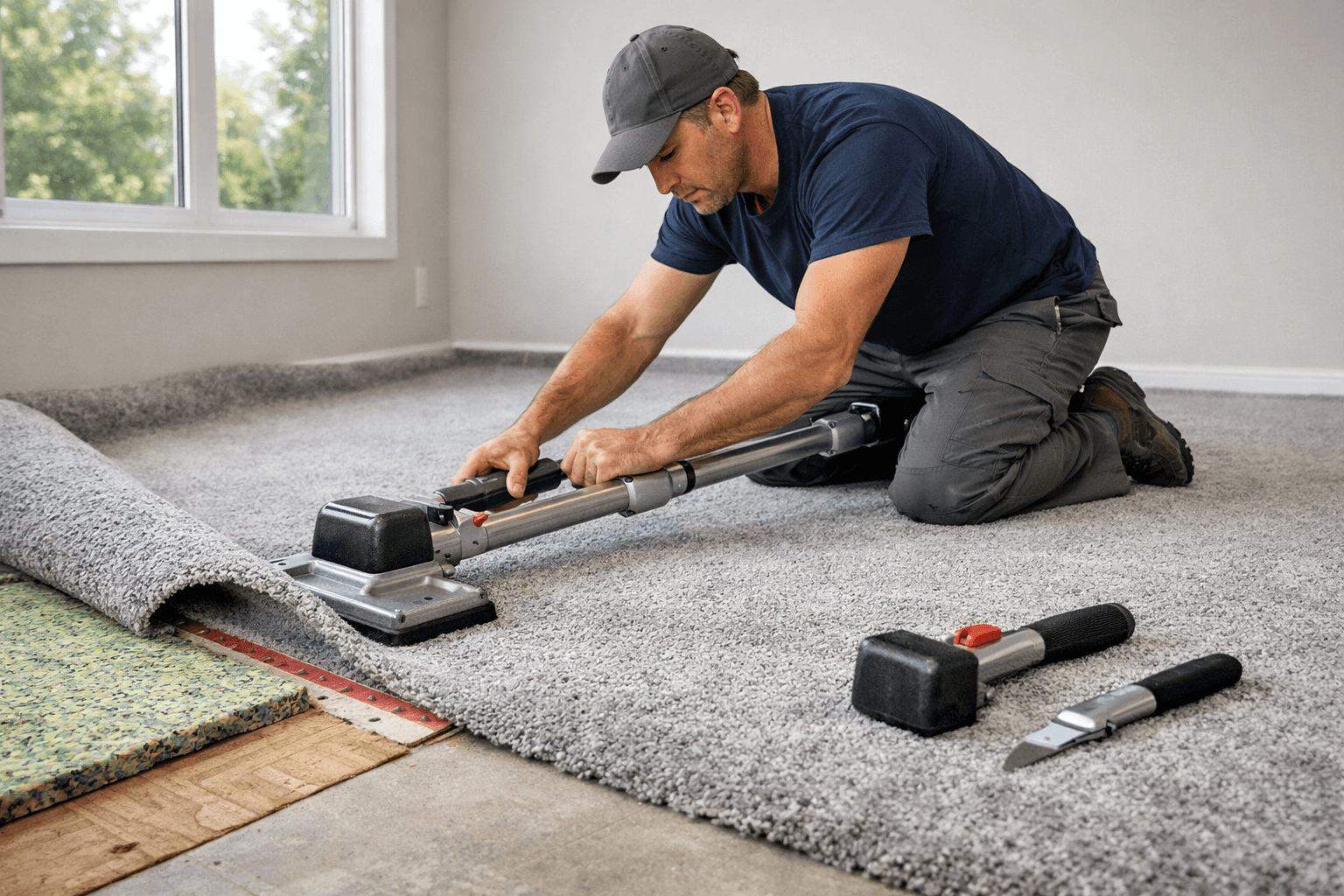
Carpet Installation Methods Explained: A Complete Homeowner’s Guide
Poor carpet installation is one of the top reasons homeowners replace carpet flooring early, regardless of the type of carpet they choose. According to flooring industry studies, improper installation techniques can cause premature wear and reduce carpet longevity by 30–40 percent, even when high-quality materials are used across both residential and commercial spaces.