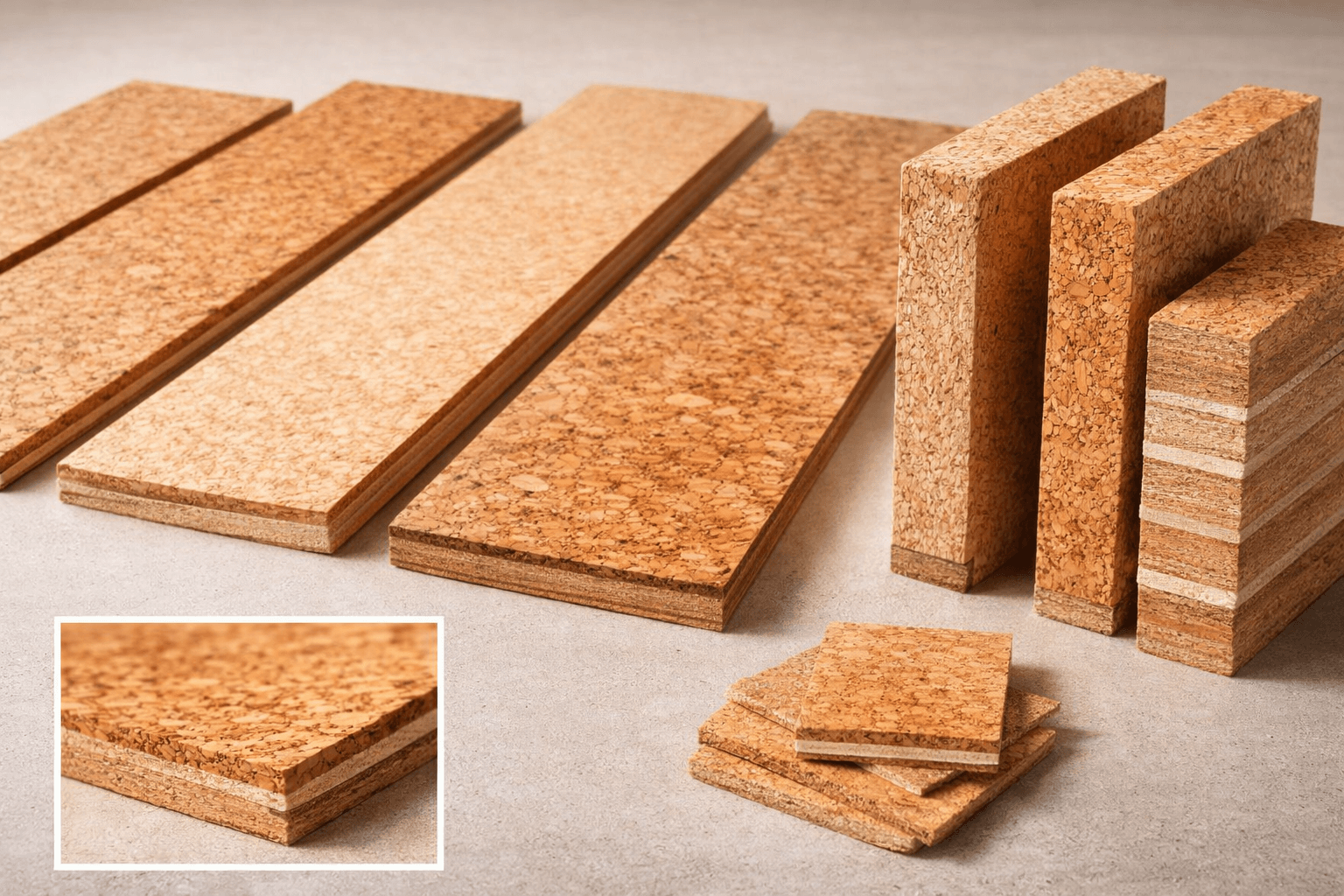
Cork Flooring
Cork Flooring: Benefits, Costs, and Installation Guides
People choose cork flooring for several practical reasons. Cork feels softer and warmer underfoot than hardwood, tile, or vinyl, which makes it more comfortable for standing and walking. Its cellular structure helps absorb sound, reducing noise between floors and rooms. Cork also provides natural thermal insulation, helping maintain a more stable indoor temperature throughout the year.
Below, you can explore in-depth cork flooring guides covering installation methods, pricing, maintenance, durability, and comparisons with other flooring options such as hardwood, vinyl plank, and bamboo.
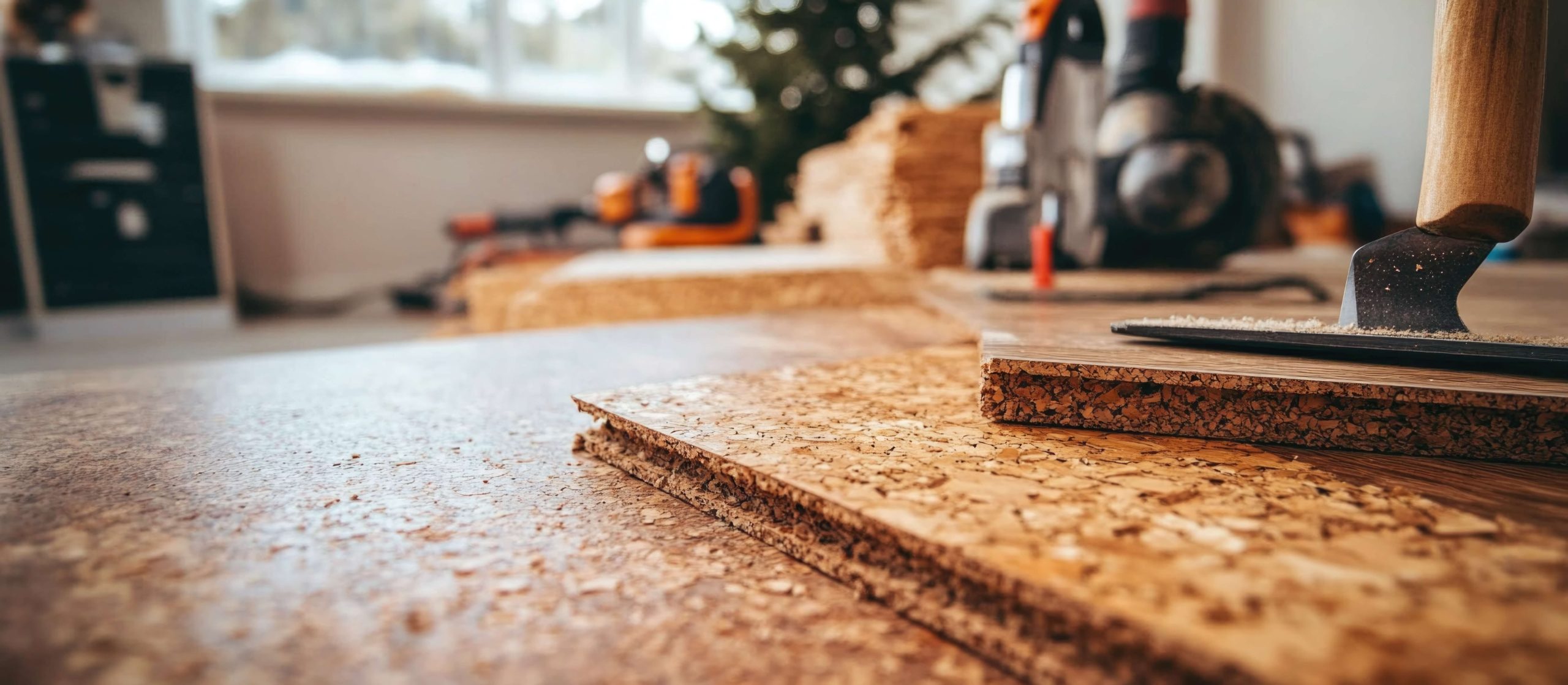
What Is Cork Flooring? Composition, Structure, and How It’s Made
According to industry data from the National Wood Flooring Association, natural wood floors can increase home resale value by up to 5 percent. At the same time, engineered alternatives continue to grow due to improved stability and lower installation costs.
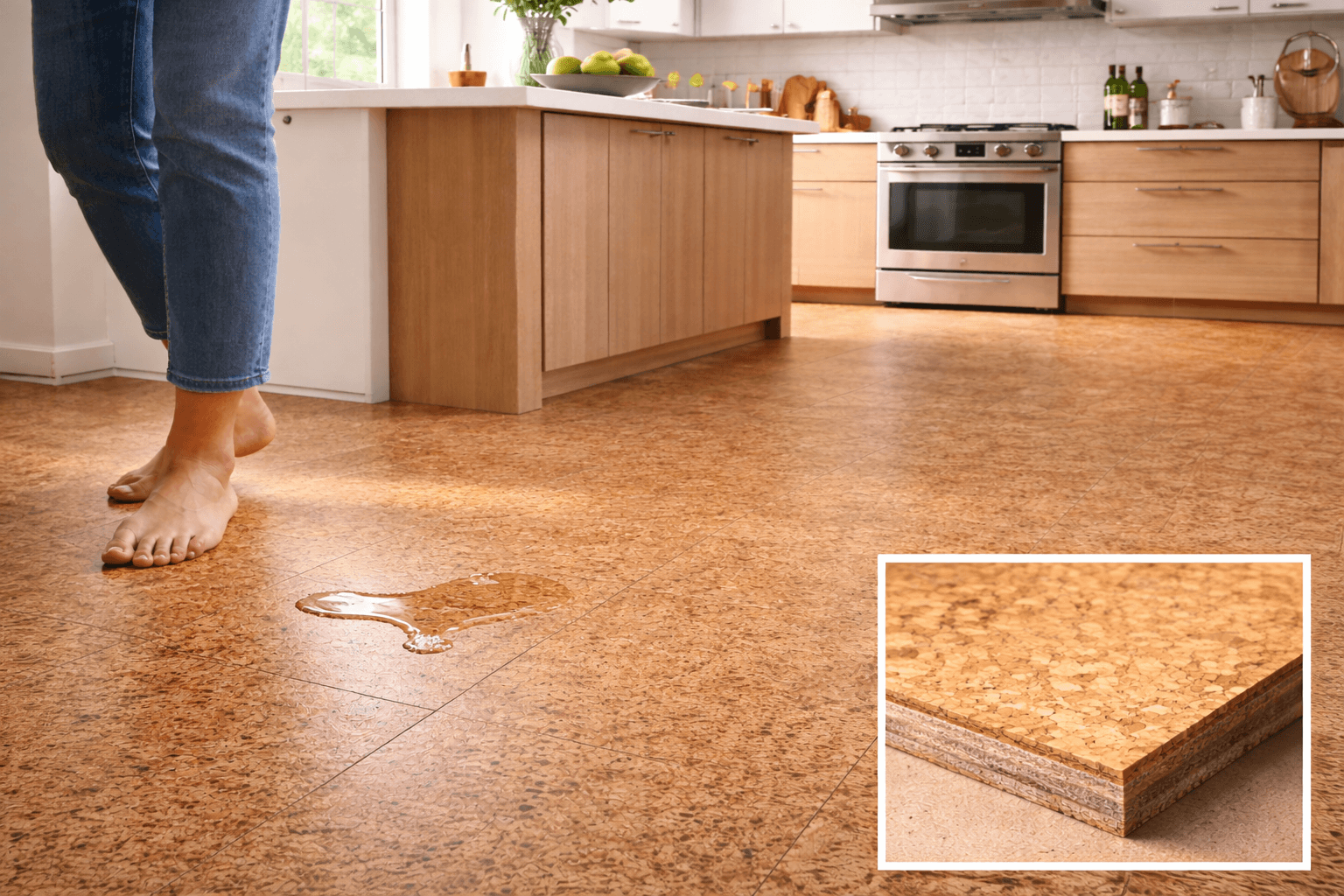
Cork Flooring for Kitchen: Pros and Cons, Waterproof Truth, Costs and Expert Buying Guide
More than 60 percent of homeowners say comfort is one of the most important factors when choosing a kitchen floor.
Read More
Floating Cork vs Glue-Down Cork Flooring: Which Is Better?
According to the U.S. Department of Energy, properly insulated flooring materials can improve thermal efficiency and reduce heat transfer in residential spaces.
Read More
Cork Flooring Cost in 2026: Price Per Square Foot, Installation, and Long-Term Value
The average cork flooring cost in 2026 typically falls within a cost range of 5 per square foot to 15 per square foot with installation.
Read MoreCork Flooring Grades and Thickness Options: Complete Buyer’s Guide to Quality, Performance, and Value
Cork flooring can reduce impact noise by up to 50 percent compared to many hard surfaces, and its natural cellular structure contains millions of air-filled pockets that improve insulation and comfort.