Hardwood Flooring
Everything You Need to Know About Hardwood Flooring
Hardwood flooring is one of the most durable and visually appealing flooring choices available today. On this page, you will find a collection of in-depth articles covering everything from hardwood flooring costs and installation methods to maintenance tips, lifespan expectations, and design trends.
If you are planning new flooring or simply exploring your options, these featured guides will help you understand performance, durability, resale value, and care requirements. Each article is designed to answer real homeowner questions so you can move forward with clarity and confidence.

Solid Hardwood vs Engineered Hardwood Flooring: Pros, Cons & Costs
According to industry data from the National Wood Flooring Association, natural wood floors can increase home resale value by up to 5 percent. At the same time, engineered alternatives continue to grow due to improved stability and lower installation costs. When homeowners compare solid hardwood vs engineered,
Engineered Hardwood vs LVP (Luxury Vinyl Plank) Flooring: Which Floor Is Better in 2026?
The average American replaces flooring every 15 to 30 years. According to the National Association of Realtors, installing new hardwood floors can recoup up to 118 percent of the project cost at resale.

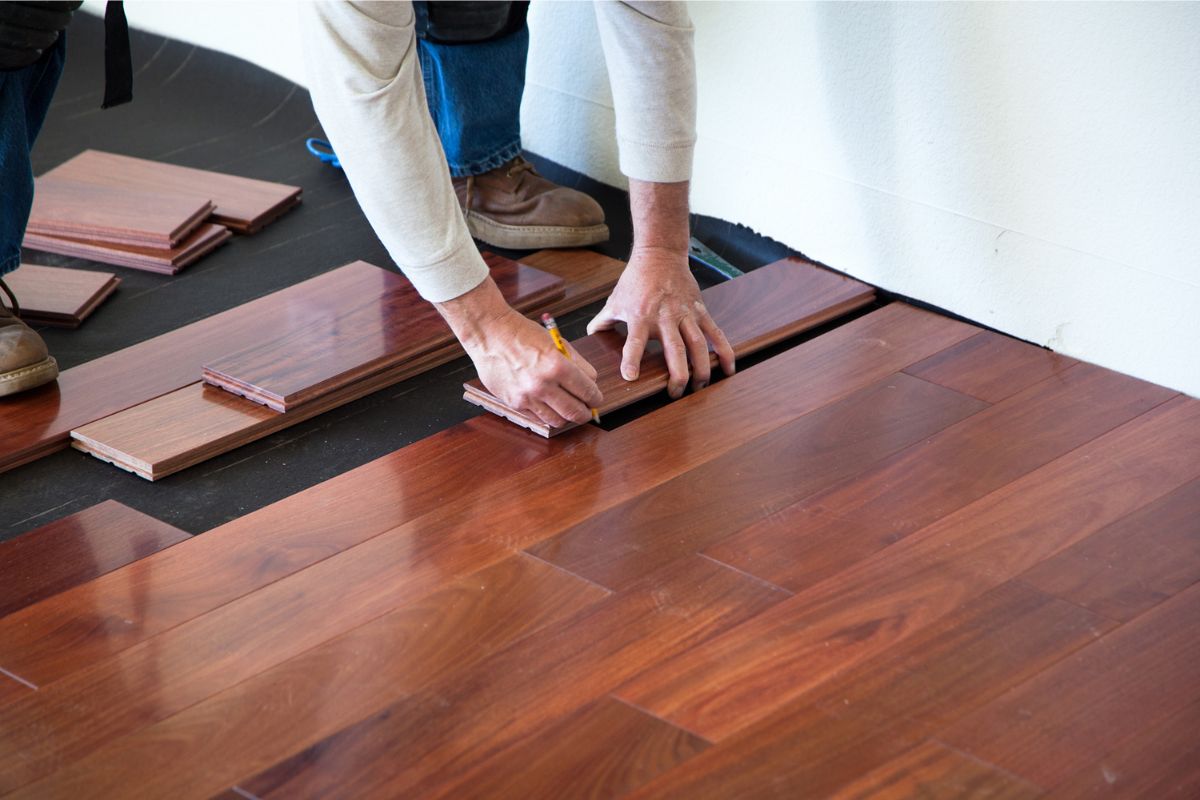
Hardwood Flooring Installation Methods: Nail-Down, Glue-Down, and Floating
According to the National Wood Flooring Association and guidance aligned with the broader flooring manufacturers association, a properly planned hardwood floor installation can extend the life of a hardwood floor by 30 to 50 percent compared to poor installation practices.
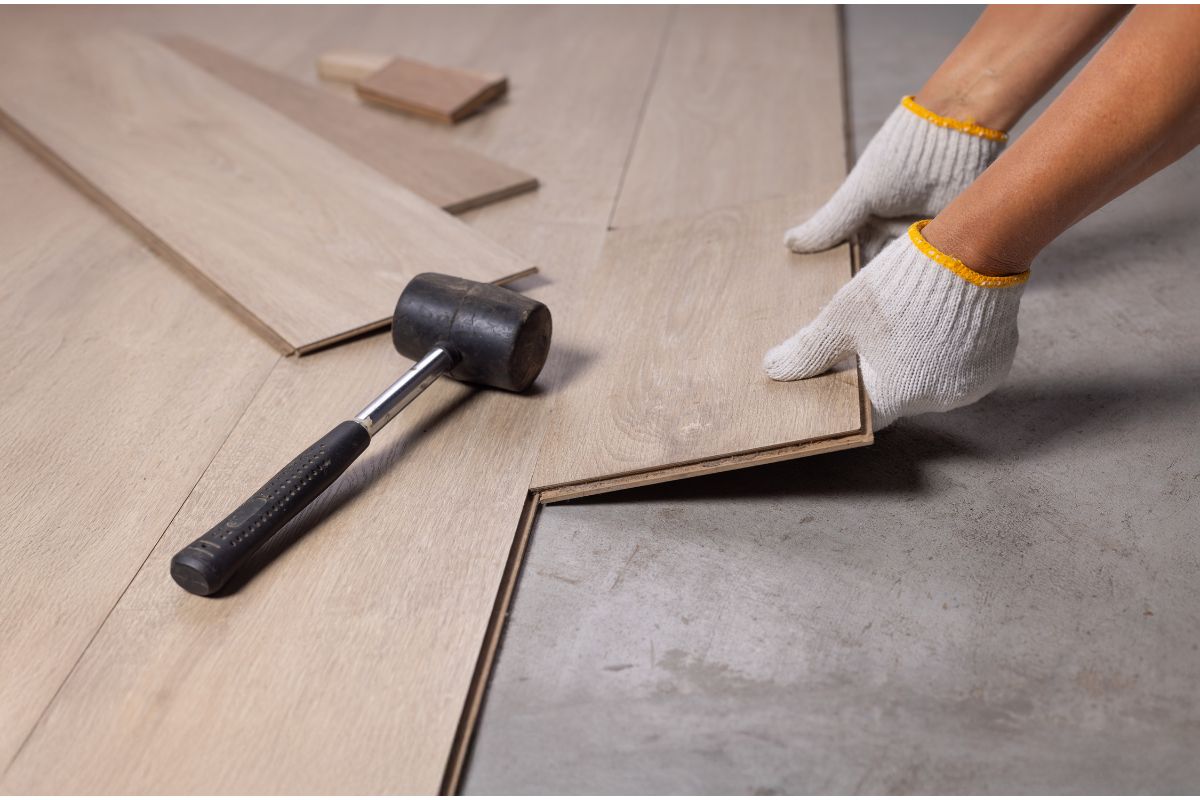
Hardwood Flooring Over Concrete Slabs: What You Need to Know Before You Install
Installing a hardwood floor over a concrete slab is one of the most common and most misunderstood flooring projects. According to the National Wood Flooring Association,
Publishing Soon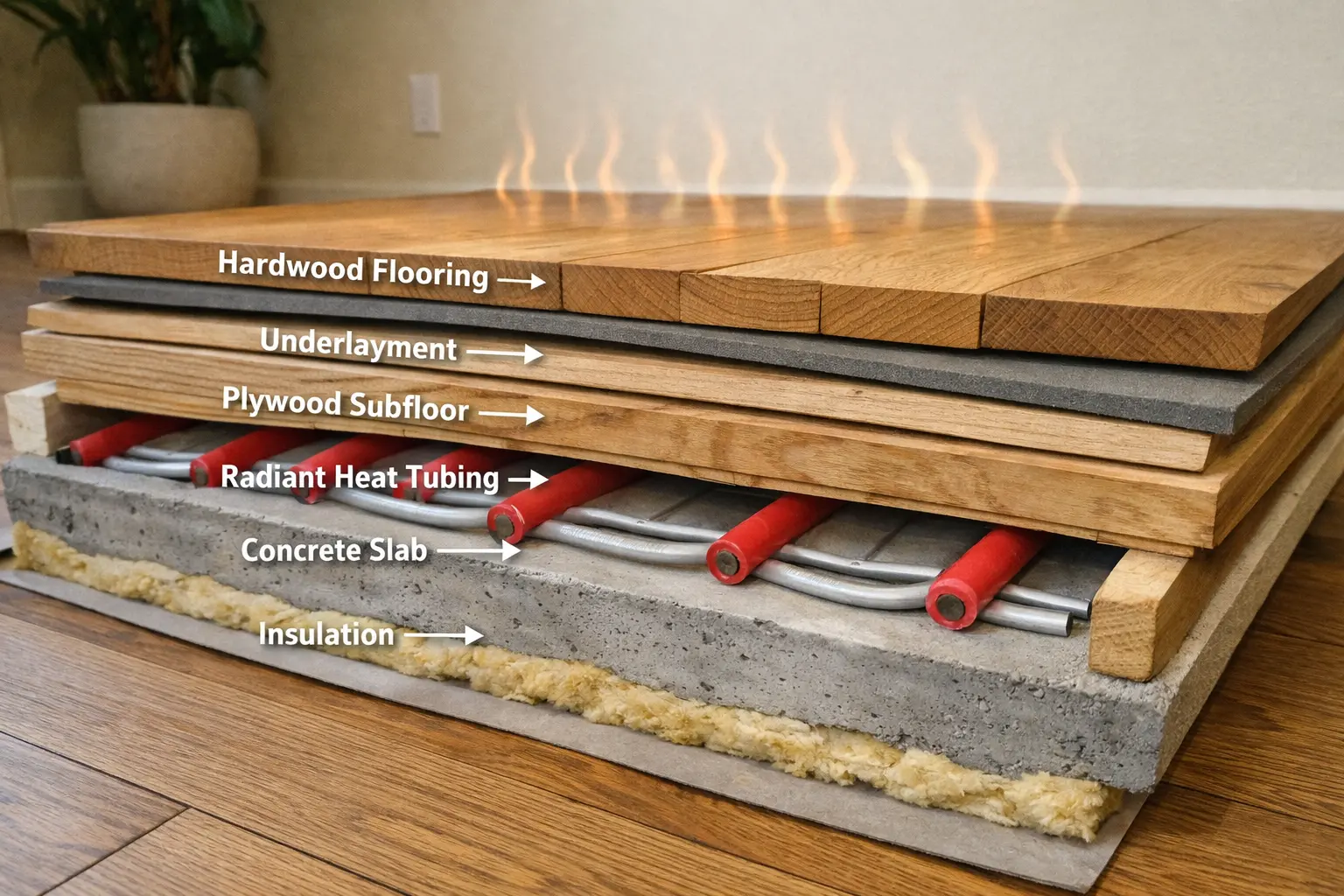
Hardwood Flooring Over Radiant Heat Systems: Complete Expert Guide
Studies from the U.S. Department of Energy show that radiant floor heating can reduce heating energy consumption by up to 15 percent compared to conventional forced air systems.
Read More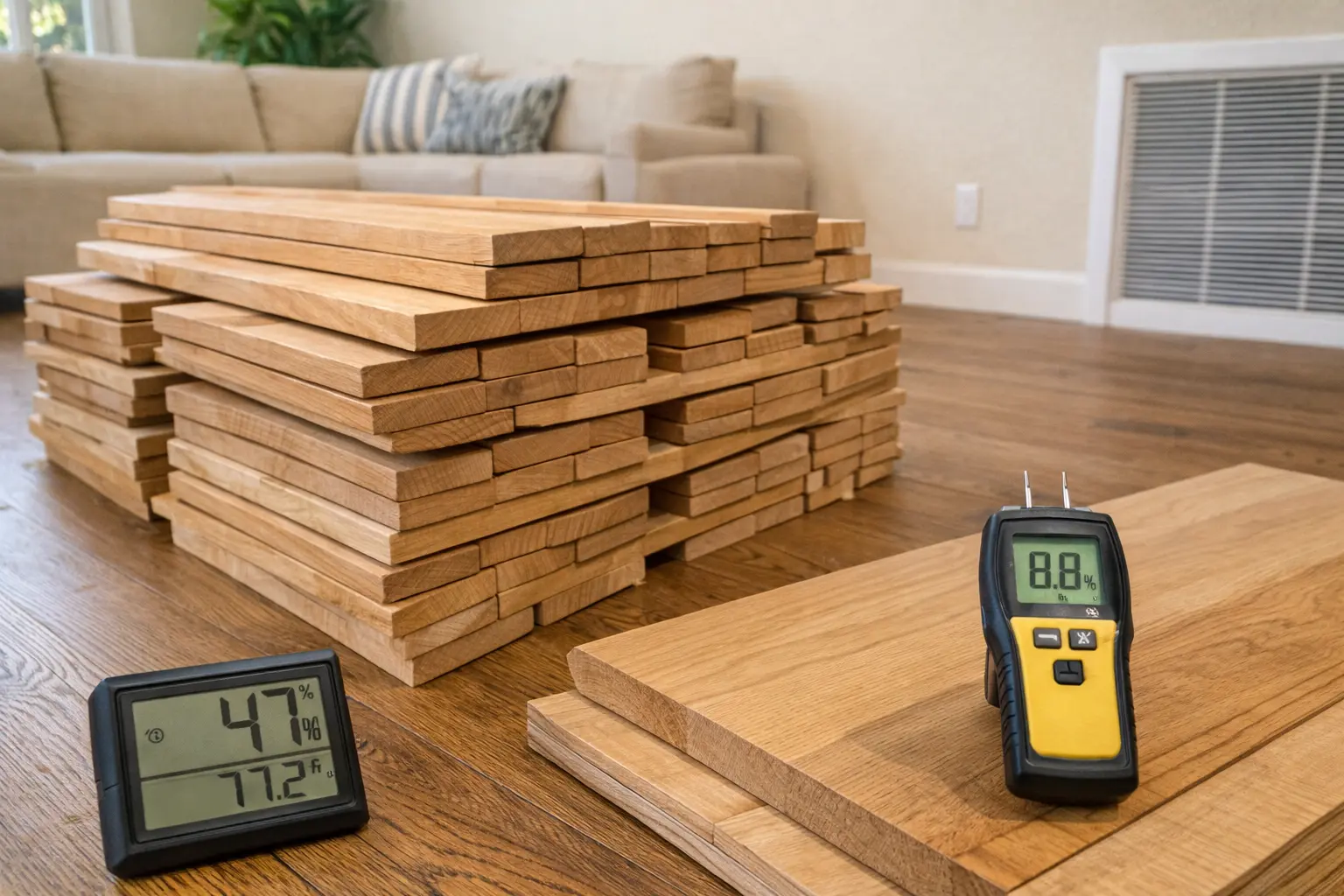
Hardwood Flooring Acclimation and Expansion Gaps (Complete Expert Guide)
Wood flooring failure is one of the most common and most expensive installation mistakes. According to the National Wood Flooring Association,
Publishing Soon
Pre-Finished vs Site-Finished Hardwood Floor: Choosing the Right Type of Flooring
Hardwood floors remain one of the most valuable home upgrades in the U.S. According to the National Wood Flooring Association, homes with hardwood flooring can increase resale value by up to 5 percent, and well-maintained solid hardwood flooring can last 50 to 100 years.

Gloss vs Matte vs Satin Finish Hardwood Floors: Complete Sheen Comparison Guide
According to the National Wood Flooring Association, over 70 percent of homeowners replacing a hardwood floor choose a lower sheen finish than they previously had. Why? Because modern living has changed.
Publishing Soon
Hardwood Floor Finishes: Oil-Based vs Water-Based vs UV Cured (Complete Comparison Guide)
According to the U.S. Environmental Protection Agency, indoor air can be two to five times more polluted than outdoor air, often due to volatile organic compounds released from construction materials and coatings.
Publishing Soon
Hardwood Species Guide: Choosing the Right Wood for Your Floors
Choosing the right hardwood species, also known as the right species of hardwood, is one of the most important decisions you will make when selecting a hardwood floor as your primary flooring material. According to the National Wood Flooring Association and guidance aligned with the National Hardwood Lumber Association (NHLA), wood species directly affect durability, dent resistance, color stability, and long-term performance.

Eco-Friendly and Sustainable Hardwood Flooring: The Complete 2026 Guide to Sustainable Hardwood Flooring Options
Wood flooring stores carbon for decades. According to the U.S. Forest Service, one cubic meter of wood stores nearly one metric ton of CO₂.